

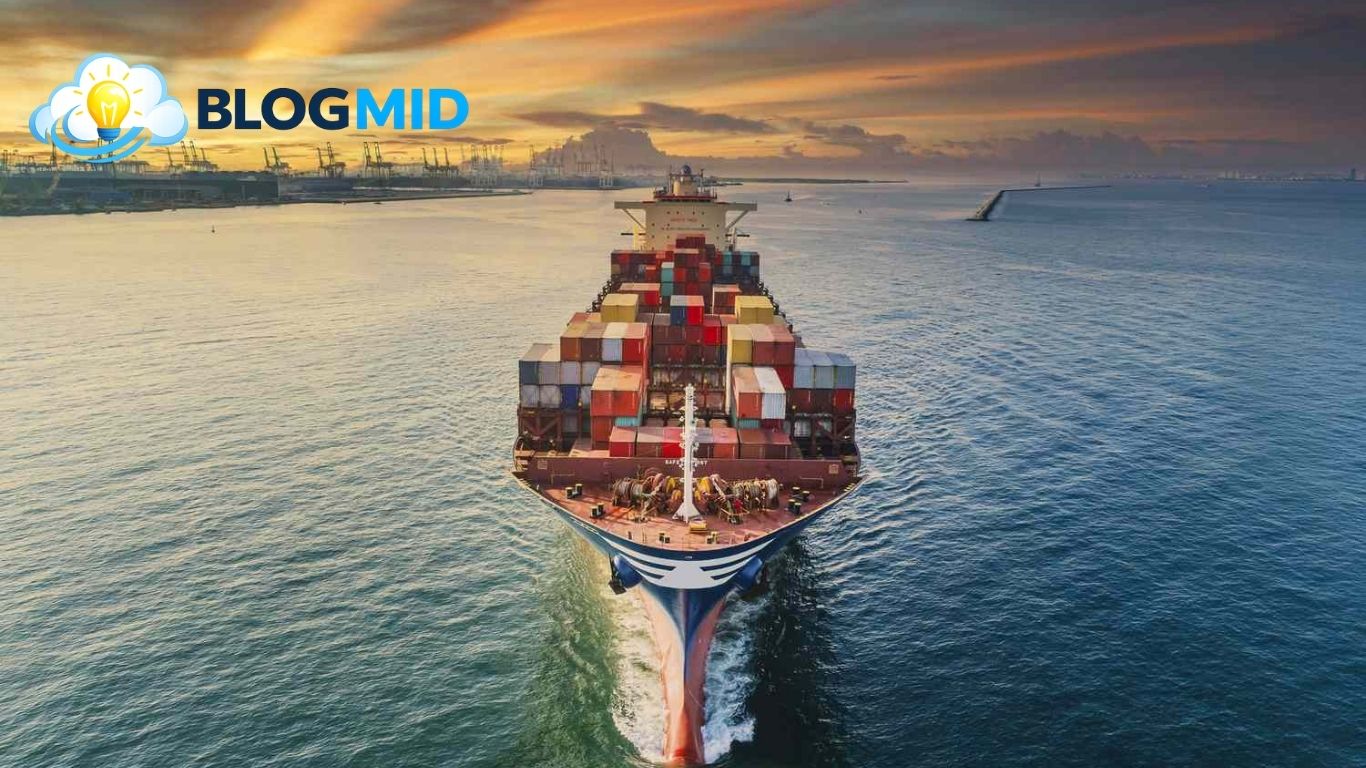
International trade has become one of the most powerful forces shaping the modern business environment. Companies are no longer limited to selling products and services within their local markets. Advances in transportation, digital technology, communication, and global supply chains have made it easier for businesses of different sizes to connect with customers, suppliers, manufacturers, and partners around the world.
The impact of international trade on modern companies can be seen in almost every industry. Businesses use global markets to increase sales, reduce production costs, access specialized materials, discover new technologies, and expand their customer base. At the same time, international trade creates challenges involving competition, currency fluctuations, regulations, supply chain disruptions, tariffs, and political uncertainty.
What Is International Trade?
International trade refers to the exchange of goods, services, technology, capital, and resources between businesses and countries. It allows companies to purchase products or materials from foreign markets and sell their own products and services internationally.Two major components of international trade are imports and exports. Imports are goods and services purchased from another country, while exports are products and services sold to customers in foreign markets.
For modern companies, international trade goes beyond simply shipping physical products overseas. Businesses can now provide software, consulting, marketing, financial services, education, entertainment, and other digital services to international customers without maintaining a physical presence in every country.This increased global connectivity has transformed how companies operate and compete.
How International Trade Helps Companies Reach New Markets
One of the greatest advantages of international trade is access to a much larger customer base.A company operating only within its domestic market depends heavily on local consumer demand. When the business enters international markets, it can potentially reach millions of additional customers.Market expansion can help companies increase revenue while reducing dependence on a single economy. If demand becomes weaker in one country, strong sales in another market may help compensate for the decline.
International expansion can be particularly valuable for companies that have already achieved significant market penetration domestically. Instead of relying exclusively on additional growth at home, they can explore regions where demand for their products may still be developing.entering foreign markets requires research. Consumer preferences, purchasing power, language, culture, regulations, and competition can vary considerably between countries.
Increased Revenue and Business Growth
International trade can create significant opportunities for revenue growth.When companies begin exporting products or providing services internationally, they develop additional sources of income. A product that has limited demand in one market may experience stronger demand somewhere else.
Companies may also discover opportunities to introduce existing products to markets where similar solutions are unavailable or less developed.International growth can allow businesses to increase production and benefit from economies of scale. Producing larger quantities can sometimes reduce the average cost per unit because fixed expenses are distributed across more products.
Higher sales volumes can then provide additional resources for marketing, hiring, research, technology, and business development.As a result, international trade can create a cycle in which market expansion supports revenue growth, and revenue growth provides the resources required for further expansion.
Access to Lower-Cost Resources and Production
Cost management is another major way international trade affects modern companies.Businesses can source raw materials, components, technology, and manufacturing services from countries where they are available at competitive prices.
A company may design its products in one country, purchase components from several others, assemble the products elsewhere, and distribute them across multiple international markets.This global production model can help companies optimize expenses and access specialized expertise.businesses should avoid selecting suppliers based only on price. Product quality, reliability, transportation costs, working conditions, environmental standards, delivery times, and geopolitical risks should also be considered.
International Trade and Global Supply Chains
Modern supply chains demonstrate how deeply international trade has become integrated into business operations.Many companies depend on networks of international suppliers, manufacturers, logistics companies, ports, warehouses, and distributors. Even relatively simple products can contain materials or components originating from several countries.
Global supply chains can provide companies with greater flexibility and access to specialized resources. However, they can also create vulnerabilities.Natural disasters, transportation problems, political conflicts, labor shortages, pandemics, port congestion, or changes in trade regulations can interrupt the movement of goods.
A disruption affecting one supplier can sometimes delay an entire production process.For this reason, modern companies increasingly focus on supply chain resilience. Businesses may diversify suppliers, maintain additional inventory, use alternative transportation routes, or source important materials from multiple regions.
Greater Competition in the Global Marketplace
International trade increases opportunities, but it also increases competition.Companies that previously competed mainly against local businesses may now face competitors from around the world. Foreign businesses can enter domestic markets and offer alternative products, competitive prices, innovative technologies, or stronger customer experiences.
This pressure encourages companies to continuously improve.Businesses may need to invest in product development, marketing, automation, employee skills, customer support, and operational efficiency to remain competitive.
Although increased competition can be challenging, it can also encourage innovation. Companies that successfully adapt may become more productive and better prepared to compete in both domestic and international markets.
The Impact of International Trade on Innovation
Innovation and international trade are closely connected.When businesses participate in global markets, they are exposed to new technologies, ideas, management practices, products, and customer expectations.Companies can learn from international competitors and identify trends that may not yet be common in their domestic markets. They may also collaborate with foreign research organizations, technology providers, manufacturers, and business partners.
International competition can create additional pressure to innovate because companies must differentiate themselves from a wider range of competitors.As a result, businesses may invest more heavily in research and development, automation, artificial intelligence, digital platforms, and improved production processes.Innovation can then help companies create better products, reduce costs, improve customer experiences, and maintain their competitive advantage.
International Trade Creates More Business Partnerships
International trade encourages collaboration between businesses located in different parts of the world.Companies can establish relationships with international suppliers, distributors, manufacturers, technology providers, consultants, investors, and logistics companies.
These partnerships can provide access to expertise and resources that would be difficult or expensive to develop internally.a company entering a new country may work with a local distributor that already understands the market, customer preferences, regulations, and distribution networks.
Strategic international partnerships can therefore reduce some of the risks associated with entering unfamiliar markets.Successful partnerships, however, depend on clear communication, reliable agreements, mutual trust, quality standards, and well-defined responsibilities.
Currency Exchange Rates and Financial Risks
Currency fluctuations are an important challenge associated with international trade.When companies buy and sell across borders, transactions may involve different currencies. Changes in exchange rates can affect revenue, expenses, pricing, and profitability.if a company exports products and receives payment in a foreign currency, a significant change in the exchange rate may reduce the value of that revenue when converted into its domestic currency.
Importers can face similar problems when their domestic currency weakens and foreign products become more expensive.Companies involved in significant international trade may use financial planning and currency risk management strategies to reduce their exposure.They may also negotiate contracts in preferred currencies or periodically adjust international pricing.
Tariffs, Regulations, and Trade Policies
Businesses operating internationally must comply with different legal and regulatory systems.Countries may impose tariffs, customs duties, import restrictions, product standards, labeling requirements, taxes, licensing rules, or documentation requirements.
Changes in government trade policies can directly influence company expenses and operations.a new tariff on imported components may increase manufacturing costs. Businesses then have to decide whether to absorb those additional expenses, increase customer prices, negotiate with suppliers, or identify alternative sources.
Regulatory compliance can be especially complicated when a company operates in several countries simultaneously.Companies therefore need to understand the legal requirements of each market and monitor changes that could affect their operations.
The Role of Technology in International Trade
Technology has dramatically changed international business.Digital communication platforms allow companies to communicate instantly with customers, employees, suppliers, and business partners across borders.E-commerce platforms have also made international selling more accessible to smaller businesses. Companies no longer necessarily need large physical retail networks to reach customers in other countries.
Cloud computing, artificial intelligence, automation, digital payment systems, supply chain software, and data analytics have further simplified international operations.Companies can track shipments, analyze customer behavior, manage inventory, process payments, and communicate with international teams using digital platforms.Technology has therefore reduced many traditional barriers to global business and allowed smaller companies to participate more actively in international trade.
How International Trade Affects Small Businesses
International trade is not limited to multinational corporations.Small and medium-sized businesses can also benefit significantly from global markets. Online marketplaces, digital advertising, international payment platforms, and global shipping services have made international expansion more accessible.A small company can potentially sell products to customers in multiple countries without opening physical stores in each location.
Service-based businesses can experience even fewer geographic limitations. Designers, software developers, consultants, writers, marketing agencies, and technology companies can serve international clients remotely.small businesses may have fewer resources for handling customs, regulations, currency risks, and logistics.Careful planning is therefore essential before expanding internationally.
International Trade and Employment
International trade can also influence employment within companies.When businesses expand into international markets, they may need additional workers in manufacturing, logistics, sales, marketing, customer service, technology, finance, and management.Companies entering new countries may also hire local employees who understand regional markets and languages.
At the same time, global competition can encourage businesses to automate certain processes or relocate some operations to regions where costs are lower.The employment impact of international trade can therefore vary significantly depending on the industry, company strategy, and economic environment.For modern workers, international business has increased demand for skills such as digital communication, foreign languages, data analysis, logistics management, international marketing, and cross-cultural collaboration.
Challenges of International Trade for Modern Companies
Despite its advantages, international trade involves several important risks.Supply chain disruptions can delay production, while currency fluctuations can affect profitability. Political instability or changes in trade policies can increase uncertainty. Cultural differences may make marketing strategies less effective when companies fail to understand local consumers.
Businesses can also face challenges involving customs procedures, taxation, legal compliance, shipping costs, product standards, intellectual property protection, and international payment systems.Companies should therefore evaluate both opportunities and risks before entering new markets.International expansion should be based on research rather than simply assuming that a successful domestic business model will work equally well everywhere.
How Companies Can Succeed in International Trade
Successful international companies usually combine global ambitions with careful risk management.Businesses should conduct detailed market research before entering a new country. They need to understand consumer demand, competitors, pricing conditions, regulations, economic trends, and cultural expectations.
Supplier diversification can reduce dependence on a single source. Companies can also use technology to improve inventory management, logistics tracking, customer analysis, and communication.Localization is equally important. Products, advertising campaigns, websites, payment options, and customer support may need to be adapted to different markets.
Companies should also regularly monitor economic conditions, exchange rates, trade policies, geopolitical developments, and supply chain risks.Combining market knowledge, technology, financial planning, and operational flexibility, businesses can make international expansion more sustainable.
The Future of International Trade and Modern Business
The future of international trade will continue to be influenced by technology, geopolitical developments, environmental concerns, changing consumer behavior, and economic policies.Digital services are likely to play an increasingly important role in global commerce. Companies can now provide software, professional services, entertainment, education, and digital products internationally with fewer physical barriers.Businesses are also paying greater attention to supply chain resilience. Instead of relying heavily on a single supplier or region, companies may build more diversified networks.
Sustainability is another growing consideration. Consumers, governments, and investors increasingly expect companies to understand the environmental and social impact of global production and transportation.The companies most prepared for the future will likely be those that remain flexible. International trade will continue to create opportunities, but businesses must be capable of responding quickly to economic, technological, political, and consumer changes.
Frequently Asked Questions
How does international trade impact modern companies?
International trade helps modern companies access global markets, increase sales, find new suppliers, reduce costs, and expand their customer base beyond domestic markets.
What are the main benefits of international trade for businesses?
The main benefits include market expansion, higher revenue, lower production costs, access to global resources, increased innovation, and new business partnerships.
What challenges do companies face in international trade?
Companies may face challenges such as currency fluctuations, tariffs, customs regulations, supply chain disruptions, cultural differences, and international competition.
How does international trade help companies grow?
International trade allows companies to enter new markets, attract international customers, diversify revenue sources, and increase production, supporting long-term business growth.
How does international trade affect global supply chains?
International trade enables companies to source materials and products worldwide. However, businesses must manage risks such as shipping delays, geopolitical uncertainty, rising transportation costs, and supplier disruptions.
Conclusion
The impact of international trade on modern companies is significant, creating opportunities for business growth, market expansion, innovation, and access to global resources. By entering international markets, companies can reach new customers, increase revenue, develop global partnerships, and strengthen their competitive position. However, international trade also brings challenges such as currency fluctuations, supply chain disruptions, tariffs, regulatory requirements, and increased competition. To succeed in today’s global economy, businesses must carefully manage these risks, adopt modern technologies, understand international markets, and build flexible strategies. Companies that effectively adapt to changing global trade conditions can achieve sustainable growth and long-term success.
