

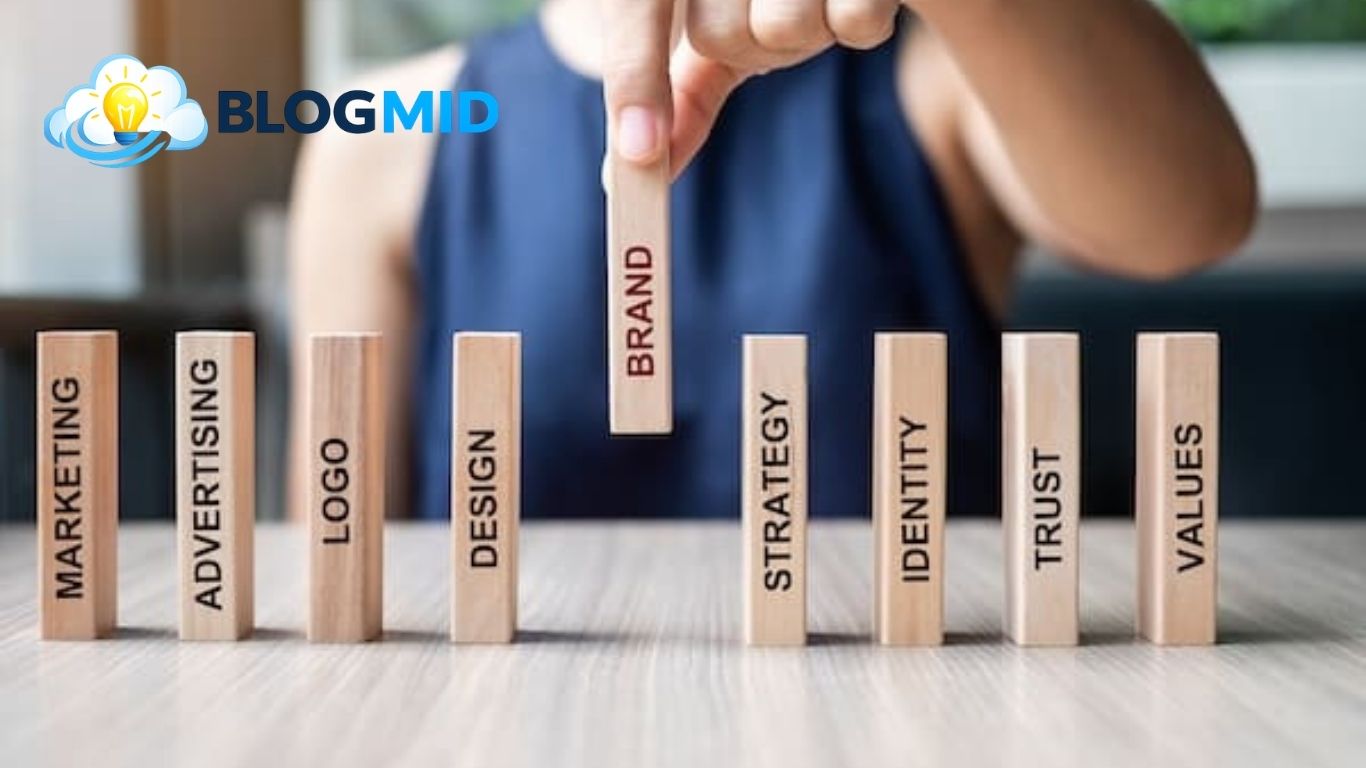
Building a strong brand is no longer something reserved for large corporations with massive advertising budgets. In 2026, small businesses have more opportunities than ever to create recognizable, trusted, and profitable brands. Social media, artificial intelligence, content marketing, online communities, and digital commerce have made it possible for even a small company to compete for attention in crowded markets.having a logo and a social media account is not enough. A successful brand is built through a clear identity, consistent communication, memorable customer experiences, and genuine trust.
What Is Small Business Branding?
Small business branding is the process of creating a unique identity that helps customers recognize, remember, and choose your business. It includes your business name, logo, colors, messaging, website, content, customer service, reputation, and overall customer experience.
A strong brand answers three important questions:
- Who are you?
- What do you offer?
- Why should customers choose you instead of a competitor?
In 2026, branding also extends to how a business appears across search engines, social media, AI-powered search experiences, marketplaces, review platforms, and other digital channels.
Define a Clear Brand Purpose
Before investing in logos, advertisements, or social media campaigns, small businesses should define their purpose.Your brand purpose explains why your business exists beyond simply making money. It gives customers a reason to connect with your company.a local clothing company might focus on sustainable fashion, while a marketing agency might focus on helping small companies grow without complicated strategies.
A useful brand purpose should be:
- Clear
- Authentic
- Relevant to your audience
- Connected to your products or services
- Easy for employees and customers to understand
When your purpose is clear, it becomes easier to create consistent marketing messages and make better business decisions.
Know Your Target Audience
One of the biggest branding mistakes small businesses make is trying to appeal to everyone.A strong brand speaks directly to a specific audience. Understanding your ideal customers helps you create products, content, offers, and messages that actually resonate.
Research your audience’s:
- Age and location
- Interests and lifestyle
- Buying habits
- Problems and frustrations
- Goals and motivations
- Preferred social platforms
- Questions they frequently search online
Instead of saying, “We sell high-quality products for everyone,” create a more specific message that explains exactly who you serve and what problem you solve.The more clearly you understand your customers, the easier it becomes to build a brand they remember.
Create a Memorable Visual Identity
Your visual identity is often the first thing people notice about your business.
A professional visual identity should include more than a logo. Consider creating a consistent system for:
- Logo design
- Brand colors
- Typography
- Photography style
- Graphics
- Website design
- Social media templates
- Packaging
- Business documents
Consistency is particularly important in 2026 because customers may encounter your business through several different platforms before making a purchase.Your Instagram profile, website, Google Business profile, email newsletter, packaging, and advertisements should all feel like they belong to the same company.
Develop a Distinctive Brand Voice
Your brand should sound like a real personality rather than a collection of generic marketing phrases.
Brand voice describes how your business communicates with customers. Depending on your industry and audience, your voice might be:
- Professional and authoritative
- Friendly and conversational
- Educational and informative
- Creative and energetic
- Simple and approachable
Choose a communication style and use it consistently.a financial consulting company may use a professional and educational tone, while a small coffee brand could communicate in a more relaxed and friendly way.A consistent voice makes your business easier to recognize and helps create an emotional connection with customers.
Build a Strong Online Presence
In 2026, customers often discover businesses online before they ever contact them. That makes your digital presence an important part of your brand.At minimum, small businesses should maintain a professional website and relevant social media profiles.
Your website should clearly communicate:
- What your business does
- Who you serve
- What makes you different
- Your products or services
- Customer reviews or testimonials
- How customers can contact or buy from you
Make sure the website is mobile-friendly, fast, easy to navigate, and optimized for search engines.A strong online presence doesn’t require being active on every platform. Choose the channels where your target audience actually spends time and focus on creating useful, consistent content.
Use Content Marketing to Build Authority
Content marketing is one of the most cost-effective ways for small businesses to strengthen their brand.Instead of constantly promoting products, create content that helps your audience solve problems and make better decisions.
Depending on your industry, you could publish:
- Blog articles
- How-to guides
- Tutorials
- Case studies
- Videos
- Customer stories
- Industry insights
- FAQs
- Social media posts
- Email newsletters
A small landscaping company could publish articles about seasonal lawn care, garden design, and common landscaping mistakes.Over time, useful content can increase visibility, demonstrate expertise, attract organic traffic, and build trust.
Make SEO Part of Your Branding Strategy
Search engine optimization is not only about ranking for keywords. It is also about becoming visible when potential customers are actively looking for solutions.Small businesses should identify relevant keywords and create helpful content around their customers’ search intent.instead of targeting only a broad term such as “digital marketing,” a small agency might target more specific searches such as “digital marketing for local restaurants” or “SEO services for small businesses.”
Local SEO is especially valuable for businesses serving specific geographic areas. Maintaining accurate business information, collecting genuine reviews, creating location-focused content, and optimizing your website can help customers discover your business.businesses should also think beyond traditional search results and create clear, authoritative content that can be understood across emerging AI-powered discovery platforms.
Use Artificial Intelligence Without Losing the Human Touch
Artificial intelligence is becoming an important tool for small businesses in 2026. It can help with brainstorming, customer research, content planning, data analysis, customer support, and marketing automation.But businesses should avoid allowing AI to make their brand sound generic.Use AI to improve productivity, not to replace your brand’s personality.
Add real experiences, original opinions, customer stories, examples, photographs, and human insights to your content. Customers want useful information, but they also want authenticity.The strongest approach is often AI-assisted, human-led branding.
Turn Customer Experience Into a Brand Advantage
Your brand is not only what you say about your business. It is also what customers experience after interacting with you.A customer may forget an advertisement, but they are likely to remember whether your business was helpful, responsive, honest, and easy to deal with.
Focus on improving every stage of the customer journey:
- Discovery
- Website visit
- Product or service selection
- Purchase
- Delivery or service experience
- Customer support
- Follow-up
Small businesses often have an advantage over larger companies because they can provide more personal service. Use that advantage.
Build Trust Through Reviews and Social Proof
Trust is one of the most valuable assets a small business can build.Potential customers are more likely to consider a business when they can see evidence that other people had positive experiences.
Encourage satisfied customers to leave genuine reviews. You can also showcase:
- Testimonials
- Case studies
- Customer success stories
- User-generated content
- Industry certifications
- Partnerships
- Media mentions
Never purchase fake reviews or create misleading testimonials. A strong brand is built on credibility, and trust can take years to build but only moments to lose.
Create a Consistent Social Media Strategy
Social media can help small businesses develop personality and maintain regular contact with customers.Rather than posting randomly, create a simple content strategy.
For example, your monthly content could include:
- Educational posts
- Behind-the-scenes content
- Product demonstrations
- Customer stories
- Industry tips
- Frequently asked questions
- Short videos
- Company updates
Consistency matters more than trying to become viral every week.Focus on creating content that reflects your brand and encourages meaningful engagement with your target audience.
Differentiate Your Brand From Competitors
A crowded market makes differentiation essential.
Ask yourself:
- Better customer service
- Specialized expertise
- Faster delivery
- Unique products
- Personalization
- Local knowledge
- Better educational resources
- Stronger community involvement
- A distinctive brand personality
Your differentiator should be meaningful to customers, not simply a marketing slogan.
Build a Community Around Your Brand
Modern customers increasingly value businesses that create a sense of community.Small businesses can build communities through social media groups, newsletters, events, loyalty programs, workshops, online discussions, and customer-focused content.A community gives customers a reason to stay connected even when they are not making a purchase.The strongest brands don’t simply collect customers. They create relationships.
Measure Your Brand Performance
Brand building can feel difficult to measure, but businesses can track useful indicators.
Monitor metrics such as:
- Website traffic
- Branded search traffic
- Social media engagement
- Email subscribers
- Customer reviews
- Repeat purchases
- Referral customers
- Conversion rates
- Customer retention
You should also pay attention to qualitative feedback. Ask customers how they discovered your company and what they associate with your brand.This information can reveal whether your branding strategy is actually working.
Frequently Asked Questions
Why is branding important for small businesses in 2026?
Branding helps small businesses build recognition, trust, and credibility. A strong brand makes it easier for customers to remember your business and choose it over competitors.
How can a small business create a strong brand identity?
Start with a clear brand purpose, target audience, visual identity, brand voice, and consistent messaging. Use the same branding across your website, social media, packaging, and marketing materials.
How does SEO help small business branding?
SEO improves online visibility by helping your website appear when potential customers search for relevant products, services, or solutions. Strong SEO can increase brand awareness and organic traffic.
Can small businesses use AI for branding in 2026?
Yes. AI can help with content ideas, market research, customer analysis, and marketing tasks. However, businesses should maintain a human voice and use original experiences and insights to keep their brand authentic.
How can social media strengthen a small business brand?
Social media allows businesses to share useful content, interact with customers, showcase products, and develop a recognizable personality. Consistent and valuable posts can increase engagement and brand awareness.
Conclusion
Building a strong brand in 2026 is about more than having an attractive logo or an active social media profile. Small businesses need a clear identity, consistent messaging, valuable content, strong online visibility, and genuine customer relationships. By understanding their target audience, using SEO and AI strategically, maintaining a consistent brand voice, and delivering excellent customer experiences, small businesses can compete effectively in crowded markets.The most successful small business brands will be those that focus on trust, authenticity, consistency, and customer value. Branding is a long-term investment, but when done correctly, it can increase recognition, customer loyalty, and sustainable business growth.
