

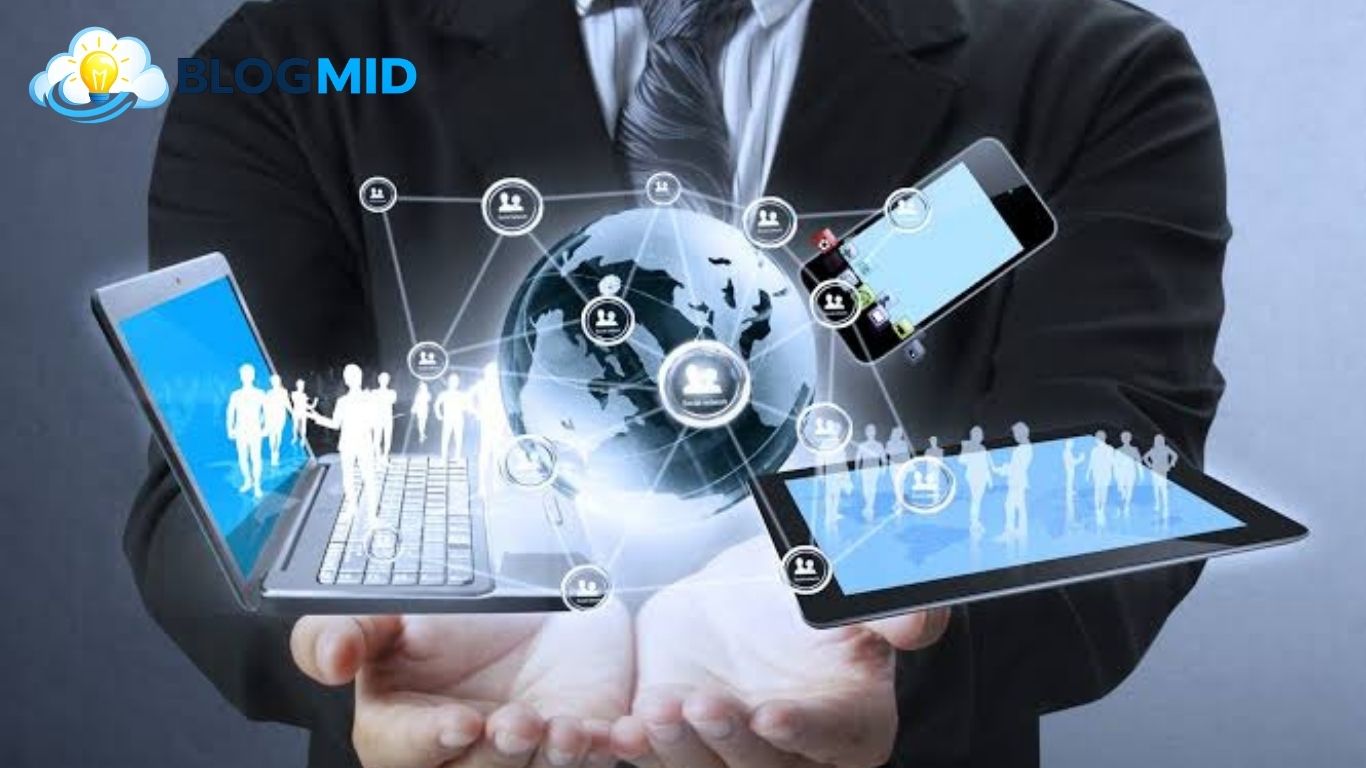
The way people learn, work, and communicate has changed dramatically over the past few decades. Advances in technology, widespread internet access, smartphones, artificial intelligence, and digital platforms have transformed everyday life. What once required a classroom, office, or face-to-face meeting can now happen from almost anywhere.
These changes have created new opportunities for education, careers, business, and social interaction. At the same time, they have introduced challenges such as digital distraction, information overload, reduced face-to-face interaction, and the need to constantly develop new skills.
The Evolution of How People Learn
Education was traditionally centered around physical classrooms, textbooks, and direct interaction between teachers and students. While these methods remain important, technology has expanded learning far beyond the traditional classroom.
Today, students and professionals can access educational resources through websites, online courses, mobile applications, digital libraries, podcasts, and video platforms. Learning is no longer restricted to a particular location or schedule.
Online Learning Has Become More Accessible
One of the biggest changes in modern education is the growth of online learning. Students can take courses from universities, training organizations, and independent educators without physically attending a campus.Online education allows learners to study at their own pace. Someone working a full-time job, for example, can complete a course during evenings or weekends. This flexibility makes education more accessible to people with different responsibilities and schedules.
Personalized Learning Experiences
Technology is also making learning more personalized. Digital platforms can recommend lessons based on a learner’s interests, progress, and performance.Artificial intelligence is increasingly being used to provide explanations, generate practice exercises, identify learning gaps, and support students with personalized feedback. Rather than following exactly the same learning path, individuals can use digital tools to focus on areas where they need the most improvement.
Lifelong Learning Is Becoming Essential
The modern economy changes quickly, which means education does not end with graduation. Employees may need to learn new software, understand emerging technologies, improve communication skills, or develop completely new professional abilities.As a result, lifelong learning has become an important part of career development. People who regularly update their knowledge are often better prepared to adapt to changing workplace requirements.
How Technology Is Transforming the Workplace
The workplace has experienced one of the most significant transformations. Offices are no longer the only places where professional work happens.Remote work, hybrid teams, cloud computing, project management software, and digital collaboration platforms have made it possible for employees to work across cities and countries.
The Rise of Remote and Hybrid Work
Remote work has changed traditional ideas about where employees should work. Many organizations now allow workers to complete some or all of their responsibilities from home or another location.Hybrid work combines office-based and remote work. This model can provide flexibility while still allowing employees to meet colleagues in person when necessary.
For workers, greater flexibility can make it easier to manage personal responsibilities and reduce commuting time. For businesses, remote and hybrid arrangements can provide access to a wider talent pool.Remote work also requires strong time management, self-discipline, and communication skills. Employees must remain productive without the constant structure of a traditional office.
Digital Tools Improve Collaboration
Modern businesses rely heavily on digital tools. Teams can communicate through messaging applications, organize projects using cloud-based platforms, share documents online, and conduct virtual meetings with people in different locations.These technologies have made collaboration faster and more convenient. A marketing team in one country can work with designers, developers, and consultants located thousands of miles away.Cloud technology has been particularly important because employees can access files and applications from multiple devices. This has helped businesses become more flexible and responsive.
Artificial Intelligence and the Future of Work
Artificial intelligence is another major force changing how people work. AI tools can automate repetitive tasks, analyze large amounts of information, generate content, assist with research, and support decision-making.Rather than simply replacing human workers, AI is also changing the nature of many jobs. Employees increasingly need to understand how to work alongside intelligent digital systems.
The most valuable skills may therefore include critical thinking, creativity, problem-solving, emotional intelligence, and the ability to use technology effectively.Workers who understand both their professional field and relevant digital tools can potentially become more productive and adaptable.
The Changing Nature of Communication
Communication has perhaps changed more visibly than any other aspect of daily life. In the past, communication often depended on letters, landline phones, and face-to-face conversations. Today, people can exchange information instantly through messaging applications, email, social media, video calls, and online communities.
Instant Communication Across Borders
Digital communication has effectively reduced geographical barriers. A person can send a message to someone on another continent within seconds.Businesses can communicate with international customers, families can stay connected across countries, and professionals can participate in global communities.Video conferencing has also made communication more personal than traditional text-based messages. People can conduct meetings, attend interviews, teach classes, and maintain relationships through live video.
Social Media Has Changed How People Connect
Social media platforms have created new ways for people to share ideas, experiences, news, and opinions. Individuals can build communities around shared interests regardless of where they live.For businesses, social media has become an important marketing and customer communication channel. Companies can interact directly with customers, respond to questions, collect feedback, and build brand awareness.social media also creates challenges. Misinformation can spread rapidly, online arguments can become intense, and excessive screen time may reduce meaningful offline interaction.
The Benefits of Digital Communication
The digital transformation of communication offers several important advantages.communication is faster. Information can be delivered almost instantly. Second, digital platforms can make communication more affordable, particularly across long distances. Third, people can choose different communication formats depending on their needs.
For example, a quick question may require a short message, while an important business discussion may be better handled through a video meeting.Digital communication also creates opportunities for people who may have previously struggled to participate in traditional communication environments. Accessibility tools, captions, translation technologies, and assistive software can make digital communication more inclusive.
Challenges of the Digital Lifestyle
Although technology provides significant benefits, the changing way people learn, work, and communicate is not without problems.
Information Overload
People now have access to an enormous amount of information. While this can support learning, it can also become overwhelming.Not every online source is accurate or reliable. Individuals need strong digital literacy and critical-thinking skills to distinguish trustworthy information from misleading or false content.
Digital Distraction
Notifications, social media, entertainment platforms, emails, and constant messages can make it difficult to concentrate.For students, excessive digital distraction can interfere with learning. For employees, frequent interruptions can reduce productivity.Developing healthy technology habits is therefore increasingly important. Turning off unnecessary notifications, setting focused work periods, and taking regular breaks can help people maintain concentration.
Reduced Face-to-Face Interaction
Digital communication is convenient, but it cannot completely replace personal interaction. Face-to-face conversations provide nonverbal signals, emotional connection, and social experiences that can be difficult to reproduce online.A balanced approach is often the most effective. Digital communication should complement rather than completely replace meaningful human interaction.
The Importance of Digital Skills
As technology becomes more deeply integrated into education and employment, digital skills are becoming essential.Basic skills such as using productivity software, communicating online, searching for reliable information, protecting personal accounts, and managing digital files are increasingly necessary.
More advanced skills may include data analysis, programming, cybersecurity, artificial intelligence, digital marketing, and cloud computing.technical knowledge alone is not enough. People also need soft skills such as communication, adaptability, teamwork, creativity, and problem-solving.The combination of digital and human skills can help individuals remain competitive in a rapidly changing environment.
How Businesses Are Adapting
Businesses are responding to changing consumer expectations and workplace trends by becoming more digitally focused.Many companies now use online customer service, e-commerce platforms, digital marketing, automated systems, and remote collaboration tools. Businesses that can quickly adapt to technological changes may have an advantage in competitive markets.
At the same time, organizations must consider cybersecurity, employee training, data privacy, and responsible technology use.Technology should not simply be adopted because it is new. Businesses need to evaluate whether a tool genuinely improves productivity, customer experience, or decision-making.
Preparing for the Future
The future of learning, work, and communication will likely be even more connected to technology. Artificial intelligence, automation, virtual environments, smart devices, and advanced collaboration platforms are expected to influence how people interact with information and each other.To prepare, individuals should develop a mindset of continuous learning. Instead of trying to master every new technology, people should focus on understanding how technology can solve problems and improve their everyday activities.
Organizations should also invest in employee development and create environments where workers can adapt to new tools and processes.Education systems have an important role as well. Students need more than traditional academic knowledge. They need digital literacy, critical thinking, creativity, collaboration, and practical problem-solving skills.
Finding the Right Balance Between Technology and Human Connection
Technology is not inherently good or bad. Its impact depends largely on how people use it.Digital tools can make learning more accessible, work more flexible, and communication more efficient. However, people should also protect time for offline activities, personal relationships, creativity, and reflection.The goal should not be to eliminate traditional methods but to combine the strengths of technology with the benefits of human interaction.
A student can use online resources while learning from a teacher. An employee can work remotely while meeting colleagues in person. Friends can stay connected through messaging while also spending quality time together.This balance can help people benefit from technological progress without becoming completely dependent on digital environments.
Frequently Asked Questions
How has technology changed the way people learn?
Technology has made learning more flexible and accessible through online courses, digital resources, educational apps, virtual classrooms, and AI-powered learning tools.
How is remote work changing the modern workplace?
Remote and hybrid work allow employees to work from different locations, reduce commuting, improve flexibility, and help businesses access talent from a wider geographic area.
How has digital communication changed daily life?
Digital communication enables people to connect instantly through messaging apps, email, social media, and video calls, making personal and professional communication faster and easier.
Why are digital skills important today?
Digital skills help people use modern technologies effectively, improve workplace productivity, access information, communicate online, and adapt to changing career requirements.
What are the challenges of modern digital communication?
Common challenges include information overload, digital distractions, misinformation, privacy concerns, and reduced face-to-face interaction.
Conclusion
The changing way people learn, work, and communicate reflects one of the most important transformations of modern society. Technology has made information more accessible, workplaces more flexible, and communication faster than ever before.Online learning has expanded educational opportunities, remote work has changed traditional workplace structures, and digital communication has connected people across geographical boundaries. At the same time, challenges such as information overload, distraction, cybersecurity concerns, and reduced face-to-face interaction require thoughtful solutions.
