

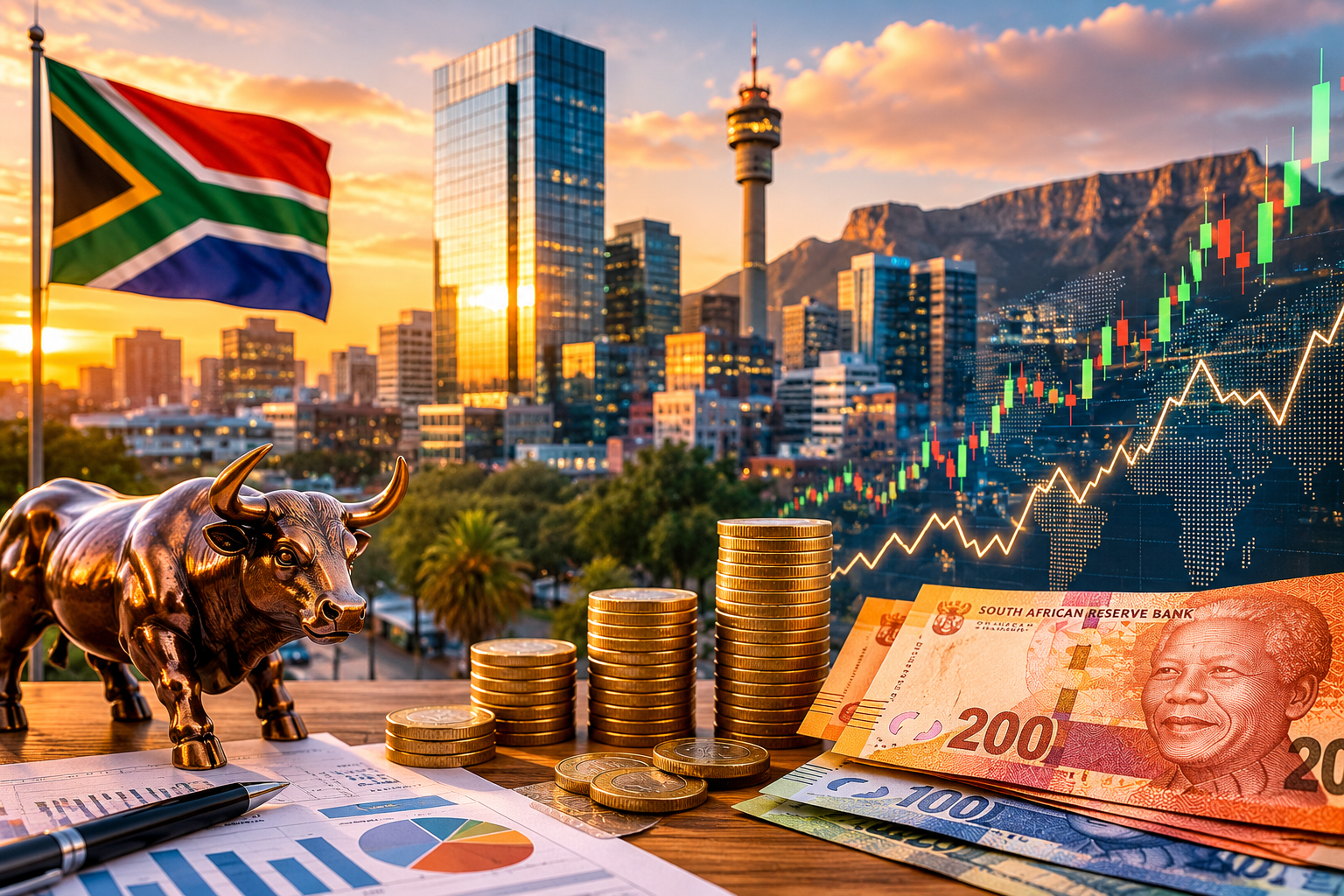
The South African Rand is one of the most closely watched currencies in emerging markets. Every day, the value of the South African Rand changes as investors react to economic news, inflation data, interest rate decisions, trade activity, and global financial conditions. These changes affect businesses, travelers, importers, exporters, and investors both inside and outside South Africa.
Unlike many major world currencies, the South African Rand is often more sensitive to changes in global market sentiment. When investors become optimistic, the currency may strengthen. During periods of uncertainty, however, the South African Rand can experience greater volatility than many developed-market currencies.
Understanding the factors that influence the South African Rand can help individuals and businesses make smarter financial decisions. Whether you are planning an investment, managing an international business, or simply following economic news, learning how the currency market works provides valuable insight.
Why the South African Rand Is Important
The South African Rand plays an essential role in South Africa’s economy. It affects import prices, export competitiveness, tourism, investment, and inflation.
A stronger currency often reduces the cost of imported products such as electronics, machinery, and fuel. On the other hand, a weaker South African Rand may increase import costs while making locally produced goods more attractive in international markets.
Businesses that buy or sell products internationally closely monitor exchange rate movements because currency fluctuations directly affect profits and operating expenses.
Consumers also experience the effects of the South African Rand through fuel prices, imported food, travel expenses, and many everyday products.
1. Global Investor Confidence
One of the biggest influences on the South African Rand is investor confidence.
International investors regularly move money between countries in search of better opportunities. When confidence in emerging markets improves, investment often flows toward countries like South Africa, increasing demand for the South African Rand.
However, during periods of uncertainty, many investors choose assets they consider more stable. This can reduce demand for emerging-market currencies.
Why Investor Confidence Changes
Several events can influence investor sentiment:
- Global economic uncertainty
- Financial market volatility
- Political developments
- Inflation concerns
- International trade conditions
- Business confidence
Because investor sentiment changes quickly, exchange rates can also move rapidly.
2. Interest Rates Influence Currency Value
Interest rates remain one of the strongest drivers of the South African Rand.
When interest rates increase, investors may receive higher returns from financial assets. This can attract additional international investment and strengthen the currency.
Lower interest rates may reduce investment demand if investors discover more attractive opportunities elsewhere.
For this reason, central bank announcements receive significant attention from financial markets.
Monetary policy decisions often influence both short-term exchange rate movements and long-term investor confidence.
3. Inflation Affects Purchasing Power
Inflation measures how quickly prices increase over time.
Stable inflation generally supports confidence in an economy.
High inflation can reduce purchasing power while creating uncertainty for businesses and consumers.
Maintaining controlled inflation helps improve long-term confidence in the South African Rand and contributes to a healthier economic environment.
Governments and central banks continuously monitor inflation to maintain economic stability.
4. Commodity Prices Matter
South Africa remains an important producer of several natural resources.
Mining continues to contribute significantly to exports and economic activity.
When international commodity prices increase, export earnings often improve, supporting demand for the South African Rand.
Lower commodity prices can reduce export income and create additional pressure on the currency.
Because commodity markets fluctuate regularly, they continue influencing exchange rate movements throughout the year.
5. International Trade Supports the Economy
Trade plays an essential role in determining demand for the South African Rand.
Foreign companies purchasing South African products usually need local currency to complete transactions.
Strong exports may increase demand for the South African Rand, while growing imports may increase demand for foreign currencies.
Healthy international trade supports economic growth and creates opportunities for businesses across many industries.
Major Trade Sectors
South Africa’s economy benefits from several important sectors:
- Mining
- Agriculture
- Manufacturing
- Automotive production
- Tourism
- Financial services
Growth across these industries contributes to stronger economic performance.
6. Government Policies Build Confidence
Economic policy influences both domestic and international investor confidence.
Clear regulations, responsible financial management, and long-term economic planning encourage investment.
Businesses prefer predictable policies because they reduce uncertainty and make future planning easier.
Improved confidence often supports investment activity and strengthens the overall economy.
Although markets naturally experience periods of uncertainty, stable institutions remain important for long-term growth.
7. Global Economic Trends Shape Currency Markets
No currency operates independently.
The South African Rand responds to developments taking place around the world.
Some of the most influential global factors include:
- International economic growth
- Energy prices
- Supply chain conditions
- Inflation trends
- Interest rate changes
- Investor risk appetite
Because financial markets are highly connected, events in one region can quickly influence exchange rates elsewhere.
How Businesses Manage Currency Risk
Exchange rate fluctuations create challenges for businesses involved in international trade.
Many companies use financial planning strategies to reduce uncertainty.
Common approaches include:
- Diversifying suppliers
- Using forward exchange contracts
- Managing payment schedules carefully
- Holding balanced foreign currency exposure
These strategies help companies operate more confidently even during periods of currency volatility.
Practical Tips for Individuals
Individuals can also benefit from understanding how the South African Rand behaves.
Helpful suggestions include:
- Monitor major economic announcements.
- Compare exchange rates before exchanging money.
- Avoid making financial decisions based only on daily market movements.
- Diversify long-term investments.
- Focus on long-term financial planning.
Developing basic knowledge of exchange rates can improve financial decision-making.
The Future of the South African Rand
The future of the South African Rand will depend on domestic economic performance as well as international developments.
Investment, infrastructure improvements, technological innovation, trade growth, and responsible fiscal management all have the potential to support future economic progress.
Although short-term volatility is a normal part of financial markets, long-term stability often depends on sustainable economic growth and continued investor confidence.
As global markets continue evolving, the South African Rand will remain an important indicator of South Africa’s economic performance.
Final Thoughts
The South African Rand represents much more than an exchange rate. It reflects economic growth, investor confidence, international trade, inflation, government policy, and global financial conditions.
Understanding the factors that influence the South African Rand allows businesses, investors, and individuals to make better financial decisions. While currency markets naturally experience periods of volatility, long-term success often comes from focusing on economic fundamentals rather than short-term price movements.
As South Africa continues participating in the global economy, the South African Rand will remain an important currency for investors and businesses worldwide.
Read Other Interesting news here: AI Chip Shortage
