
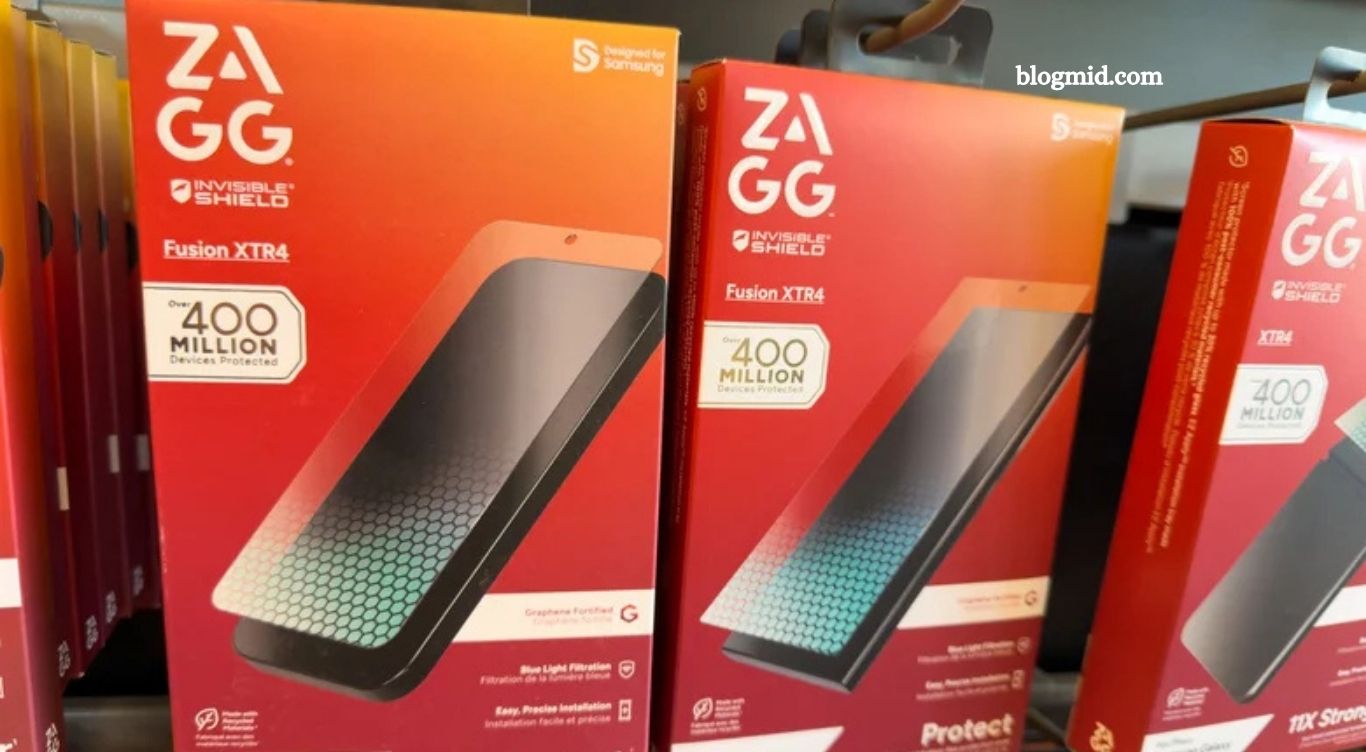
ZAGG has become a familiar name for smartphone and tablet users looking for screen protection, cases, keyboards, charging products, and other mobile accessories. Founded in 2005, the company built much of its early reputation around InvisibleShield, a line of screen protectors designed to help protect electronic displays from scratches and everyday damage. Over time, ZAGG developed into a much broader mobile-accessory business.
The company also expanded through acquisitions and additional brands, giving it a presence across multiple accessory categories. For many years, ZAGG operated as an independent, publicly traded company listed on Nasdaq under the ticker symbol ZAGG. That structure changed in 2021, when a buyer group led by Evercel completed its acquisition of the company.
Who Owns ZAGG Today?
ZAGG became privately owned following its 2021 acquisition. The transaction involved Zephyr Parent, Inc., a company indirectly controlled by Evercel, Inc. and its co-investors. SEC filings described these investors collectively as the “Evercel Group.” Under the merger structure, ZAGG became a wholly owned subsidiary of its parent company and was indirectly owned by the Evercel Group.
Read More: Amazon Deals: Save Up to $190 on Beats and Nomad iPhone Cases
This means ZAGG is no longer an independent public company whose shares can be purchased on Nasdaq. Instead, its ownership sits within the private investment structure established through the acquisition. The change was significant because it ended ZAGG’s period as a publicly traded mobile-accessory company.
Evercel’s Acquisition of ZAGG
The acquisition was initially announced in December 2020. ZAGG disclosed that it had entered into a definitive agreement with a buyer group led by Evercel. Under the agreement, stockholders were set to receive $4.20 per share in cash at closing, plus a contingent payment connected with forgiveness of the company’s Paycheck Protection Program loan. The potential total consideration was up to $4.45 per share.
The transaction subsequently moved through the shareholder and regulatory process. An SEC filing dated February 22, 2021, reported the completion of the acquisition and included changes in control and delisting-related matters. This marked ZAGG’s transition from a Nasdaq-listed business to a privately held company.
What Is Evercel?
Evercel is an investment company focused on acquiring and managing businesses with growth potential. ZAGG’s SEC proxy materials described Evercel as a company that acquires and manages businesses whose growth potential may have been constrained by their capital structures.
For ZAGG, the Evercel-led transaction provided a different ownership model. Instead of answering to public-market shareholders and publishing results as a standalone Nasdaq-listed corporation, ZAGG could operate within a privately controlled structure. The consumer-facing ZAGG name, however, remained important because of the recognition it had developed in mobile accessories.
ZAGG’s Beginning With InvisibleShield
Before becoming a broad accessory company, ZAGG was strongly associated with screen protection. InvisibleShield became one of its best-known product lines, addressing a straightforward problem: consumers wanted to keep increasingly valuable electronic displays protected from scratches, scuffs, and everyday wear.
The rise of touchscreen smartphones made screen protection an increasingly important accessory category. As phones became more expensive and displays grew larger, consumers had stronger reasons to protect their devices. ZAGG was positioned to benefit from that trend and gradually developed a much wider range of mobile products.
Expansion Beyond Screen Protectors
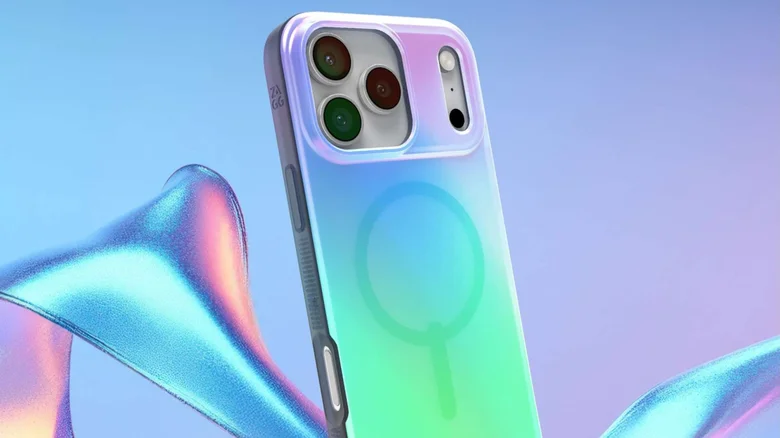
ZAGG’s evolution did not stop with screen protection. The business expanded into categories including protective cases, tablet keyboards, power products, and other accessories designed around smartphones and mobile devices. This broader approach helped turn ZAGG from a product-focused company into a more diversified mobile-lifestyle business.
Acquisitions also played a role in this expansion. Brands associated with ZAGG over the years included Mophie, Gear4, InvisibleShield, and other accessory names. These additions helped the company reach customers looking for different types of products rather than depending entirely on screen-protection sales.
Why ZAGG’s Ownership Change Mattered
The Evercel-led acquisition changed more than the identity of ZAGG’s owners. Before the deal, ZAGG was subject to the reporting, shareholder, and market requirements that come with being a publicly traded company. Its stock price provided investors with a continuously visible market valuation.
After completion of the merger, ZAGG ceased operating as an independent publicly traded company. SEC materials for the transaction stated that ZAGG would survive the merger as a wholly owned subsidiary of the parent company. The parent itself was indirectly controlled by Evercel and its co-investors.
Can Investors Buy ZAGG Stock?
Investors can no longer buy ZAGG shares under its former Nasdaq ticker in the way they could before the acquisition. The 2021 deal resulted in the acquisition of outstanding ZAGG shares, while SEC filings documented delisting-related actions following completion of the transaction.
This distinction is useful because older articles and financial databases may still contain references to “Nasdaq: ZAGG.” Those references reflect the company’s former public-company status rather than its current ownership structure.
ZAGG’s Position in Mobile Accessories
Despite the corporate ownership change, ZAGG remains associated with products designed to protect, power, and improve mobile devices. Its brand recognition was built over many years as smartphones moved from relatively simple communication devices to expensive products used for work, entertainment, photography, payments, and everyday communication.
Accessory companies also have to respond quickly to device launches. New smartphones can introduce different screen dimensions, camera layouts, charging technologies, materials, and form factors. Companies such as ZAGG therefore depend on maintaining product compatibility while responding to changing consumer preferences.
Relationship With Major Smartphone Brands
ZAGG’s business is closely connected to the wider smartphone ecosystem. Accessory demand is heavily influenced by new generations of devices from major manufacturers. When consumers purchase new phones and tablets, many also purchase screen protectors, cases, charging equipment, or keyboards.
This creates both opportunities and challenges. Popular device launches can generate strong accessory demand, but rapid hardware changes mean products must continually be updated. A screen protector or case created for one phone generation may not fit the next, making regular product development an important part of the accessory business.
Is ZAGG Still an Independent Company?
ZAGG continues to operate as a recognizable consumer brand, but it is not independent in the same ownership sense as it was when publicly traded. The 2021 merger placed it under a parent controlled indirectly by Evercel and its co-investors.
Consumers may see little evidence of that corporate structure while shopping. Products can continue to carry the ZAGG name regardless of changes taking place at the ownership level. This is common when investment groups acquire established businesses with valuable brand recognition.
Frequently Asked Questions
Who owns ZAGG?
ZAGG is privately owned following its acquisition by an investor group led by Evercel in 2021.
When was ZAGG founded?
ZAGG was founded in 2005 and initially became popular for its InvisibleShield screen protection products.
Is ZAGG a publicly traded company?
No. ZAGG became a privately held company after the Evercel-led acquisition was completed in 2021.
What products does ZAGG sell?
ZAGG offers screen protectors, phone cases, tablet keyboards, charging accessories, and other mobile-device products.
What is ZAGG best known for?
ZAGG is especially known for its InvisibleShield screen protectors designed for smartphones, tablets, and other electronic devices.
Did ZAGG own Mophie?
Yes. ZAGG acquired Mophie in 2016, expanding its presence in portable power, battery cases, and charging accessories.
What was ZAGG’s former stock symbol?
ZAGG previously traded on the Nasdaq stock exchange under the ticker symbol ZAGG before becoming privately owned.
Conclusion
ZAGG has grown from a screen protection company into a recognized smartphone accessory brand offering cases, keyboards, charging solutions, and other mobile products. Its InvisibleShield range played an important role in building the company’s reputation among smartphone and tablet users.
