

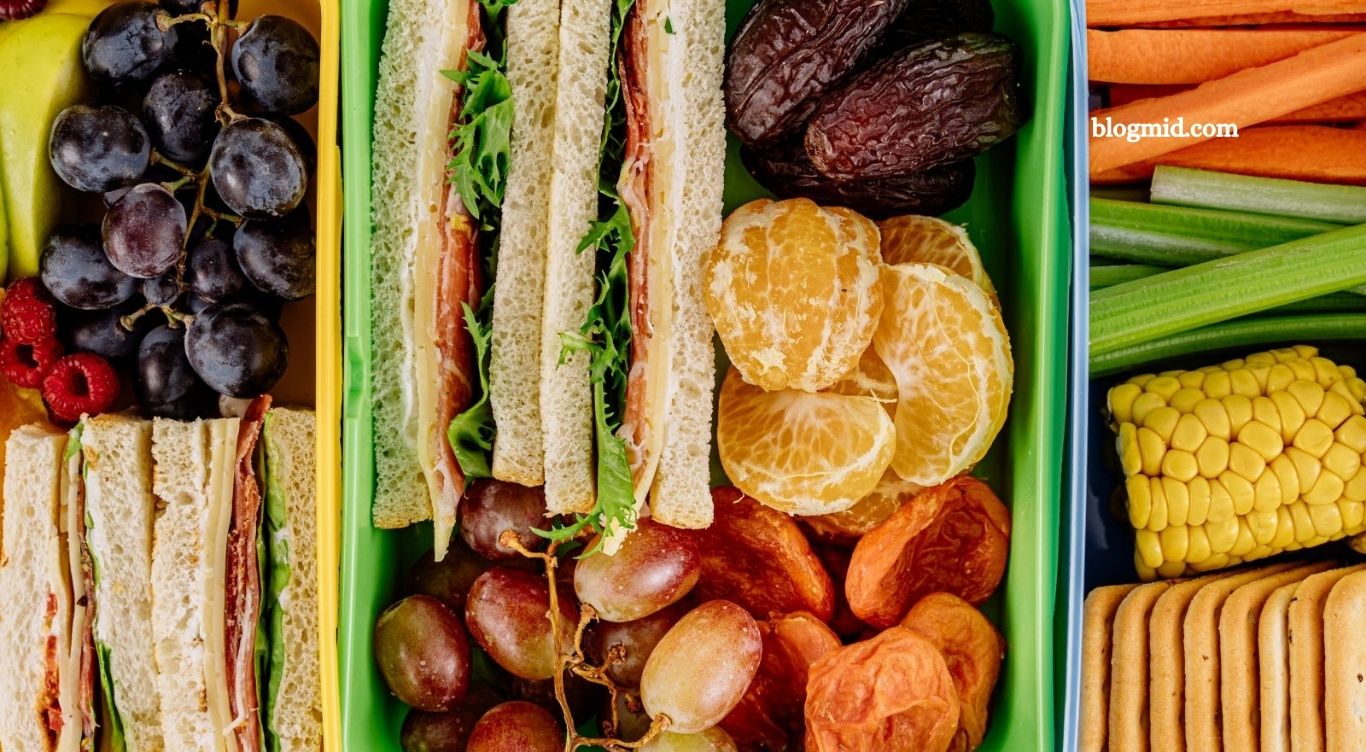
Healthy school lunches can play an important role in a child’s growth, learning, and long-term eating habits. Nutritious meals provide children with the energy they need throughout the school day while helping them stay focused in class. The food choices children develop at a young age can also influence their preferences and habits later in life.
For parents, however, preparing balanced lunches every day can become challenging when grocery prices continue to rise. Healthy foods may sometimes cost more than highly processed alternatives, but smart shopping, seasonal produce, store-brand products, and simple homemade snacks can make nutritious school lunches more affordable.
Read More: AI May Bring World-Class, Mayo-Level Health Care to Everyone
Registered Dietitian Nutritionist Brenda Davy, a nutrition and exercise expert at Virginia Tech, recommends practical ways families can prepare affordable lunches without sacrificing nutrition or variety. Her suggestions focus on choosing whole foods, reading food labels, and limiting ultra-processed products.
Choose Seasonal Fruits and Vegetables
Fruits and vegetables are important parts of a balanced lunch because they provide vitamins, minerals, fiber, and other nutrients children need. However, buying produce without considering the season can increase grocery costs.
Choosing fruits and vegetables that are in season can help families save money. Seasonal produce is often more widely available, which can make it more affordable. Parents can also look for locally produced foods when shopping because local options may offer better prices depending on the area and season.
Apples are one example of an affordable lunchbox fruit. Smaller apples can work particularly well for younger children because they are easier to handle and provide an appropriately sized portion.
Parents can also vary lunchbox produce throughout the year. Fresh fruit, sliced vegetables, berries, carrots, cucumbers, and other affordable seasonal choices can add color and variety without requiring expensive specialty products.
Make Natural Peanut Butter a Lunchbox Staple
Peanut butter can be an affordable source of protein and healthy fats. Choosing a store-brand natural peanut butter can make it even more budget-friendly.
Davy recommends looking for peanut butter made primarily from peanuts, with some varieties containing a small amount of salt. These products can be a simpler alternative to highly processed peanut butter options that may contain additional ingredients.
A classic peanut butter and jelly sandwich can become a nutritious school lunch when prepared thoughtfully. Parents can use whole-wheat bread along with low-sugar or no-sugar-added jelly or fruit spread.
Peanut butter can also be paired with celery for a quick snack. Another option is a whole-wheat tortilla filled with banana and natural peanut butter. These combinations require little preparation and can provide children with carbohydrates, protein, and healthy fats.
Families should also remember that peanut allergies are common among children. Parents should follow their school’s allergy policies and avoid sending peanut products when schools prohibit them.
Choose Water Instead of Sugary Drinks
Drinks can be an overlooked part of school lunches. Fruit juices and sweetened beverages can add significant amounts of sugar to a child’s daily diet without providing the same benefits as whole fruit.
Unsweetened applesauce and fruit purees can be convenient lunchbox options, particularly when they are shelf-stable. Parents should check nutrition labels to make sure these products do not contain unnecessary added sugars.
A reusable water bottle can be a simple and inexpensive alternative to juice or sugary drinks. Staying hydrated is important for children during the school day, and water can provide hydration without added sugar.
Using a reusable bottle can also reduce the need to purchase individual drinks, helping families save money over time.
Read Labels on Packaged Snacks
Packaged snacks can make lunch preparation easier, but not every convenient product offers the same nutritional value. Parents should check ingredient lists and nutrition labels before regularly adding packaged foods to their children’s lunchboxes.
Nuts and seeds can provide healthy fats and energy, while dried fruits can provide carbohydrates and fiber. Store-brand versions can sometimes offer these foods at lower prices than premium brands.
Yogurt and mozzarella cheese sticks can also provide protein and calcium. However, parents should compare labels and choose products with fewer unnecessary additives and lower amounts of added sugar when possible.
Reading labels does not mean families need to eliminate every packaged food. Instead, it can help parents make more informed choices and identify products that fit their children’s nutritional needs and family budget.
Homemade Snack Mixes Can Save Money
Making snacks at home can be another way to control both ingredients and spending. Homemade trail mix is a simple example that can be prepared quickly using ingredients already available in the kitchen.
Parents can combine nuts, seeds, raisins, or other dried fruits to create a customized snack mix. Buying ingredients in larger packages and preparing portions at home may cost less than purchasing individual snack packs.
Children can also participate in preparing these snacks. Allowing kids to choose ingredients or help assemble lunchbox portions can make healthy eating more engaging while teaching useful food preparation skills.
For families managing a tight grocery budget, homemade snacks can provide flexibility. Ingredients can be changed depending on what is available, what is on sale, and what children enjoy eating.
Why Limiting Ultra-Processed Foods Matters
The quality of a child’s overall diet can influence health, development, and eating habits. School lunches provide parents with an opportunity to introduce nutritious foods and encourage balanced choices outside the home.
According to Davy, children and adolescents between ages 5 and 18 have particularly high consumption of ultra-processed foods in the United States. These foods account for 60% or more of their total calorie intake, making food choices during childhood especially important.
Ultra-processed foods are generally industrially formulated products containing multiple ingredients, additives, and other components designed to improve flavor, texture, shelf life, or convenience. Examples can include certain packaged snacks, sugary products, processed meats, and highly formulated ready-to-eat foods.
The goal does not need to be completely eliminating every processed food from a child’s diet. Instead, parents can focus on building meals around minimally processed and nutrient-rich foods whenever practical.
Healthy Habits Can Start in the Lunchbox
Children develop food preferences at an early age, and regular exposure to nutritious foods can help establish healthy eating patterns. Packing school lunches gives parents a practical way to influence these habits while children are away from home.
Davy noted that research has connected high consumption of ultra-processed foods in children with several health concerns, including tooth decay, depression, anxiety, obesity, and poorer cognition. Research involving adults has also associated high intake with conditions such as type 2 diabetes, cardiovascular disease, cancer, and increased mortality risk.
These findings highlight why food quality matters, but healthy eating does not need to be complicated or expensive. Simple combinations of seasonal produce, whole grains, natural peanut butter, yogurt, cheese, nuts, seeds, and water can create balanced lunches without relying heavily on expensive specialty foods.
Smart Shopping Makes Healthy Lunches More Affordable
Budget-friendly healthy lunches often begin at the grocery store. Parents can compare store-brand options, choose seasonal produce, buy ingredients that can be used across several meals, and prepare snacks at home.
Planning lunches before shopping can also reduce food waste. When families know which ingredients they need, they are less likely to purchase unnecessary products that may remain unused.
Parents can also rotate affordable lunch combinations instead of trying to create a completely different meal every day. A few reliable ingredients can be used in sandwiches, wraps, snack boxes, and homemade mixes.
The most important goal is creating a balanced eating pattern that children can enjoy and maintain. Healthy school lunches do not have to be expensive, complicated, or time-consuming. With thoughtful shopping and simple preparation, families can provide nutritious meals while keeping grocery costs under control.
Frequently Asked Questions
How can I pack a healthy school lunch on a budget?
Choose seasonal fruits, whole grains, store-brand products, homemade snacks, and reusable drinks to reduce costs.
What are affordable fruits for children’s lunchboxes?
Apples, bananas, oranges, and other seasonal fruits are usually affordable and easy to pack.
Is peanut butter a healthy school lunch option?
Natural peanut butter can provide protein and healthy fats, especially when paired with whole-wheat bread or fruit.
Should children drink juice with lunch?
Water is generally a better everyday choice because it provides hydration without added sugar.
Are homemade snacks cheaper than packaged snacks?
Homemade trail mixes and similar snacks can reduce costs while giving parents greater control over ingredients.
Why should parents limit ultra-processed foods?
High consumption has been associated with several health concerns and may contribute to poorer overall diet quality.
How can parents make healthy lunches more appealing to children?
Offer variety, use colorful foods, involve children in preparation, and include familiar nutritious foods they enjoy.
Conclusion
Packing healthy school lunches does not have to be expensive or complicated. Seasonal fruits, whole grains, natural peanut butter, homemade snacks, yogurt, nuts, and water can provide nutritious choices while keeping costs manageable. By planning meals, comparing labels, choosing affordable ingredients, and limiting ultra-processed foods, parents can support better eating habits and help children build healthy choices that can last into adulthood.
