

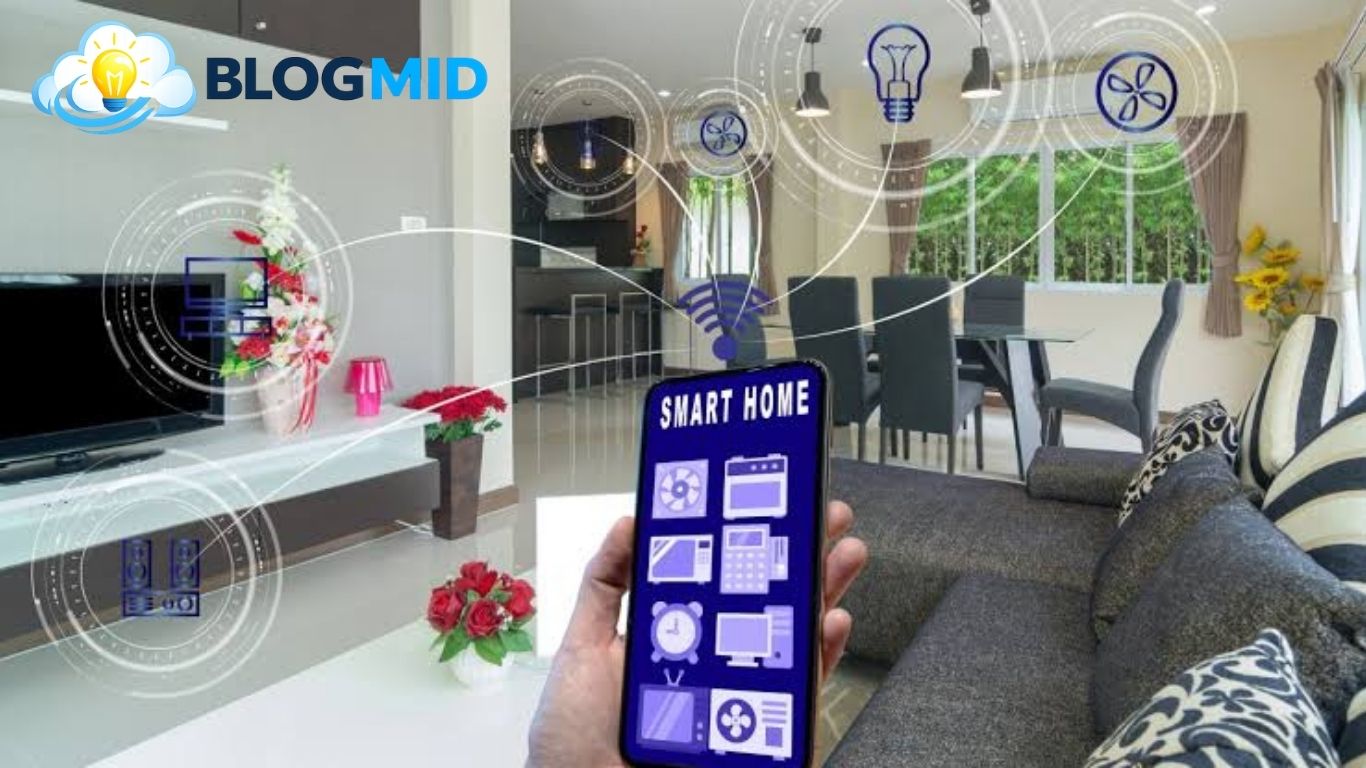
Smart technology is changing the way people live, work, and interact with their homes. From smart lights and thermostats to connected security cameras, voice assistants, and intelligent appliances, modern homes are becoming more connected than ever before. These devices are not simply adding convenience; they are creating an integrated digital environment where different systems can communicate, automate tasks, and respond to the needs of homeowners.
The rise of the Internet of Things (IoT), artificial intelligence (AI), and wireless connectivity has made smart home technology more accessible and practical. Today, homeowners can control many aspects of their properties through smartphones, voice commands, or automated routines.
What Is a Connected Home?
A connected home is a living space where smart devices and home systems communicate with one another through a network, usually Wi-Fi, Bluetooth, Zigbee, Z-Wave, Thread, or another smart-home communication standard.
Unlike traditional household devices, connected devices can collect information, exchange data, receive commands, and perform actions automatically. For example, a smart thermostat can adjust the temperature based on a homeowner’s preferences, while smart lights can turn on automatically when someone enters a room.
The real advantage comes when multiple devices work together rather than operating independently. A connected home can create automated routines that make everyday activities simpler and more efficient.
How Smart Devices Are Transforming Modern Homes
Smart devices are transforming homes by connecting previously separate systems. Homeowners can now manage lighting, heating, entertainment, security, appliances, and other functions from a single smartphone or smart-home platform.
For example, a homeowner might create a “Good Night” routine that locks smart doors, turns off lights, adjusts the thermostat, and activates security cameras with one command.This level of integration makes technology feel less like a collection of individual gadgets and more like one connected ecosystem.
Smart Home Automation Makes Everyday Life Easier
One of the biggest benefits of smart home technology is automation. Instead of manually controlling every device, homeowners can create schedules, routines, and automated responses.Smart lighting can turn on at a specific time, thermostats can adjust temperatures according to daily routines, and robotic vacuum cleaners can clean floors according to a schedule.
Automation can also respond to real-time conditions. Motion sensors, for instance, can detect activity and trigger lights or other devices. This reduces the number of tasks homeowners need to manage manually.The result is a home that can respond intelligently to everyday activities while providing greater convenience.
Smart Devices Improve Home Security
Connected technology is also changing residential security. Smart doorbells, cameras, locks, motion sensors, and alarm systems allow homeowners to monitor their properties remotely.A smart security camera can send an alert when it detects unusual movement, while a video doorbell can allow homeowners to see who is at the door through a smartphone.
Smart locks provide another layer of convenience. Homeowners can lock or unlock doors remotely and, depending on the system, provide temporary access to family members, guests, or service providers.These technologies do not eliminate security risks, but they can give homeowners greater visibility and control over their properties.
Energy Efficiency and Smart Home Technology
Another important advantage of connected homes is improved energy management. Smart devices can help homeowners understand and control how energy is being used.Smart thermostats are a good example. They can learn temperature preferences and adjust heating or cooling based on schedules and occupancy. Smart plugs can help users monitor certain appliances, while smart lights can automatically switch off when rooms are empty.reducing unnecessary energy consumption, connected devices can potentially help homeowners lower energy costs while supporting more efficient use of household resources.
Voice Assistants Are Bringing Devices Together
Voice-controlled technology has become an important part of the connected home. Smart speakers and voice assistants allow users to control compatible devices without reaching for a smartphone.A homeowner can use a voice command to turn off lights, adjust the thermostat, play music, check the weather, or control other connected devices.
Voice control is particularly useful for people who want hands-free interaction with technology. As voice recognition and AI become more advanced, these systems are becoming better at understanding natural language and responding to more complex requests.
AI Is Making Smart Homes More Intelligent
Artificial intelligence is playing an increasingly important role in the development of smart homes. Traditional smart devices often follow predefined instructions, while AI-powered systems can analyze patterns and make more adaptive decisions.an intelligent home system may learn when residents usually arrive home, which rooms they use most often, and what temperature they prefer at different times of the day.AI can help transform automation from simple schedules into more personalized experiences. Instead of homeowners constantly telling devices what to do, intelligent systems can increasingly anticipate routine needs.
Connected Appliances Are Changing Household Chores
Smart appliances are another major part of the connected-home ecosystem. Refrigerators, washing machines, ovens, coffee makers, and other household appliances can now include internet connectivity and intelligent features.A connected washing machine may notify a homeowner when a cycle is complete. A smart oven can provide remote controls or cooking information, while a connected refrigerator may offer alerts about temperature changes.These features can make household management more convenient and provide homeowners with greater control over everyday chores.
Smart Entertainment Creates a Connected Experience
Connected homes are not limited to security and automation. Entertainment systems are also becoming increasingly integrated.Smart televisions, wireless speakers, streaming devices, and connected gaming systems can communicate through a home network. Users can access entertainment from different rooms and control devices through smartphones or voice commands.Multi-room audio systems, for example, can allow music to play throughout a property while giving users control over individual rooms. This creates a more seamless entertainment experience.
The Importance of Interoperability
As the number of smart devices increases, interoperability becomes increasingly important. A connected home works best when devices from different manufacturers can communicate effectively.Homeowners should consider compatibility before purchasing smart devices. A product may have excellent features but provide limited value if it cannot integrate with the rest of the home’s technology.
Modern smart-home standards such as Matter are designed to improve compatibility between different brands and platforms. Greater interoperability could make it easier for consumers to build flexible connected-home ecosystems without depending entirely on one manufacturer.
Privacy and Security Challenges
Although smart devices provide significant benefits, connected homes also introduce privacy and cybersecurity concerns.Internet-connected devices collect and transmit data, and poorly secured products can create potential entry points for cyber threats. Cameras, microphones, smart locks, and other devices may handle particularly sensitive information.
Homeowners should use strong, unique passwords, enable multi-factor authentication where available, keep device software updated, and secure their home Wi-Fi network.It is also important to review privacy settings and understand what information a smart device collects and how that information is used.
How to Build a More Connected Home
Creating a connected home does not require replacing every traditional appliance at once. A practical approach is to begin with devices that provide immediate value.Smart lighting, a smart thermostat, security devices, and a smart speaker can provide a strong foundation. Homeowners can then gradually add compatible appliances, sensors, entertainment systems, and automation routines.
Before purchasing new products, users should consider compatibility, security, reliability, ease of use, and long-term support.A well-planned ecosystem is generally more useful than simply filling a home with disconnected smart gadgets.
The Future of Connected Homes
The future of smart homes will likely involve greater automation, improved AI capabilities, better device interoperability, and more personalized experiences.
As technology develops, smart homes may become better at understanding routines and responding to changing conditions. Energy management could become more intelligent, security systems could become more proactive, and household appliances could require less manual interaction.The growing adoption of AI and IoT could eventually make connected homes feel less like technology systems and more like responsive environments designed around the people living in them.
Benefits of Smart Connected Homes
Smart devices can offer several practical advantages, including:
- Greater convenience through automation
- Improved control over household systems
- Better home security monitoring
- More efficient energy management
- Remote access to connected devices
- Personalized home environments
- Easier management of household appliances
- Integrated entertainment experiences
These benefits depend on choosing reliable devices and configuring them properly.
Frequently Asked Questions
What is a smart connected home?
A smart connected home is a property where internet-connected devices communicate with each other and can be controlled automatically, remotely, or through voice commands.
How do smart devices communicate?
Smart devices can communicate using technologies such as Wi-Fi, Bluetooth, Zigbee, Z-Wave, and Thread. Some devices also use smart-home platforms to connect different products.
Can smart home devices save energy?
Yes. Smart thermostats, lights, plugs, and other devices can help reduce unnecessary energy use by automating controls and providing information about consumption.
Are connected homes secure?
Connected homes can be secure when devices are properly configured. Strong passwords, software updates, multi-factor authentication, and a secure Wi-Fi network can help reduce cybersecurity risks.
Do all smart devices work together?
Not necessarily. Compatibility varies between brands and platforms. Homeowners should check compatibility and consider standards such as Matter when choosing new devices.
Conclusion
Smart devices are creating more connected homes by bringing automation, security, energy management, entertainment, and household control into a unified digital environment. The combination of IoT, AI, wireless connectivity, and smart-home standards is making connected living increasingly practical for everyday households.While smart technology offers significant benefits, homeowners should also consider privacy, cybersecurity, compatibility, and long-term reliability before investing in new devices.
