

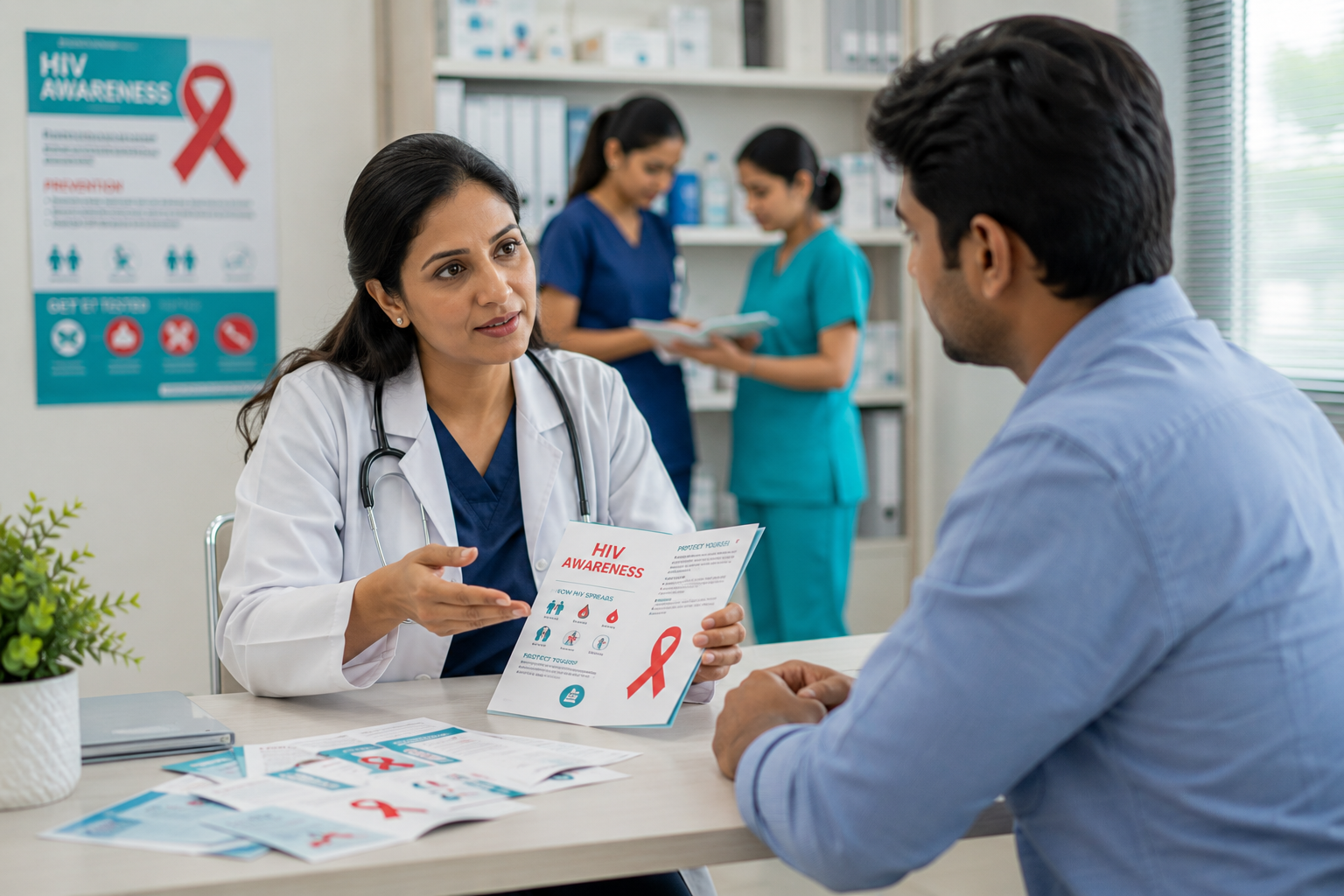
HIV Awareness has never been more important. Medical science has made remarkable progress in preventing and treating Human Immunodeficiency Virus (HIV), yet millions of people around the world continue to face challenges because of misinformation, fear, and delayed diagnosis. While many people have heard of HIV, not everyone understands how it spreads, how it can be prevented, or how modern treatment allows people to live long and healthy lives.
Improving HIV Awareness is one of the most effective ways to reduce new infections and encourage early diagnosis. Education helps individuals recognize risk factors, understand preventive measures, and seek medical care without fear or stigma. Communities that promote awareness are better equipped to protect public health while supporting people living with HIV.
This guide explains the basics of HIV, the importance of testing, available treatment options, prevention strategies, and practical steps everyone can take to promote healthier communities.
What Is HIV?
Human Immunodeficiency Virus (HIV) is a virus that attacks the body’s immune system. Specifically, it targets CD4 cells, which play an essential role in helping the body fight infections.
If HIV is left untreated, it can gradually weaken the immune system, making it more difficult for the body to defend itself against illnesses that would normally be controlled. However, modern medicines have changed the outlook dramatically. Today, people who receive early diagnosis and remain on treatment can often enjoy a normal life expectancy.
Understanding this basic fact is one of the most important goals of HIV Awareness.
Why HIV Awareness Matters: HIV Awareness
Raising HIV Awareness benefits both individuals and society.
Better awareness encourages people to:
- Learn accurate health information.
- Understand how HIV spreads.
- Recognize the value of regular testing.
- Seek treatment earlier.
- Reduce discrimination toward people living with HIV.
- Support friends and family members with compassion.
When communities are well informed, they are better prepared to prevent new infections while creating an environment where people feel comfortable seeking medical care.
How HIV Is Transmitted
HIV spreads only through specific body fluids when enough virus is present.
The most common routes include:
- Unprotected sexual contact with an infected individual.
- Sharing contaminated needles or syringes.
- Transmission from mother to baby during pregnancy, childbirth, or breastfeeding if preventive treatment is unavailable.
- Exposure to infected blood through unsafe medical practices.
Healthcare systems around the world continue working to reduce these risks through education, infection-control measures, and improved medical services.
How HIV Does Not Spread
Many myths continue to create unnecessary fear.
One of the main goals of HIV Awareness is correcting these misunderstandings.
HIV is not spread through:
- Hugging
- Shaking hands
- Sharing meals
- Sharing drinking glasses
- Mosquito bites
- Public swimming pools
- Public toilets
- Sneezing or coughing
- Casual workplace contact
Understanding these facts helps reduce discrimination and encourages respectful treatment of people living with HIV.
The Importance of Early HIV Testing
Testing remains one of the strongest tools for controlling HIV.
Many individuals experience no noticeable symptoms during the early stages of infection. As a result, someone may carry the virus without realizing it.
Early testing provides several important advantages:
- Earlier medical care.
- Better long-term health.
- Reduced complications.
- Lower risk of unknowingly transmitting the virus.
- Greater peace of mind.
Healthcare professionals can recommend appropriate testing based on age, lifestyle, and individual risk factors.
Modern HIV Treatment Has Changed Millions of Lives
Medical advances have transformed HIV care.
Today, antiretroviral therapy (ART) allows many people living with HIV to maintain healthy immune systems and lead active lives.
Benefits of treatment include:
- Lower viral levels.
- Improved immune function.
- Reduced risk of serious illness.
- Better quality of life.
- Longer life expectancy.
Taking medication exactly as prescribed and attending regular medical appointments are important parts of successful treatment.
Practical Ways to Prevent HIV
Prevention begins with informed choices.
Some of the most effective prevention strategies include:
- Practicing safer sex.
- Never sharing needles or syringes.
- Using only sterile medical equipment.
- Receiving recommended HIV testing.
- Discussing prevention options with healthcare professionals when appropriate.
Healthcare providers also reduce risks by following strict infection-control procedures and maintaining high standards of patient safety.
Fighting Stigma Through Education
Fear and misunderstanding remain major obstacles to improving HIV Awareness.
Some people delay testing because they worry about discrimination or negative social reactions.
Communities can help by:
- Promoting respectful conversations.
- Correcting misinformation.
- Supporting people living with HIV.
- Protecting patient privacy.
- Encouraging equal access to healthcare.
Reducing stigma helps more people seek testing and treatment without fear.
The Role of Families and Communities
Families play an important role in supporting health.
Open conversations about prevention, testing, and medical care help create trust and encourage responsible decision-making.
Schools, community organizations, healthcare providers, and media outlets can also contribute by sharing accurate information and encouraging healthy behaviors.
Community support strengthens public health efforts and helps reduce misinformation.
Healthcare Systems and Public Health
Healthcare systems contribute significantly to HIV prevention through:
- Accessible testing services.
- Confidential counselling.
- Safe medical practices.
- Long-term treatment programs.
- Public education campaigns.
- Community outreach initiatives.
Strong healthcare infrastructure benefits everyone by reducing disease transmission and improving access to quality care.
Healthy Lifestyle Choices for People Living With HIV
Although medication remains the foundation of treatment, healthy daily habits also support overall well-being.
Helpful lifestyle choices include:
- Eating a balanced diet.
- Exercising regularly.
- Getting enough sleep.
- Managing stress.
- Avoiding tobacco products.
- Limiting alcohol consumption.
- Following medical advice consistently.
These habits support overall health alongside prescribed treatment.
Common Myths About HIV
Several myths continue to circulate despite decades of medical research.
Myth: HIV only affects certain groups.
Fact: Anyone can become infected regardless of age, gender, or background.
Myth: HIV always leads to AIDS quickly.
Fact: Modern treatment allows many people to live long, healthy lives.
Myth: People living with HIV cannot work or study normally.
Fact: Many individuals with HIV continue successful careers, education, and family life while receiving appropriate treatment.
Accurate information remains one of the strongest tools for improving HIV Awareness.
Everyday Ways to Promote HIV Awareness
Everyone can contribute to healthier communities.
Simple actions include:
- Learning reliable health information.
- Encouraging respectful discussions.
- Supporting public health education.
- Sharing facts instead of myths.
- Encouraging friends and family to seek medical advice when needed.
- Treating everyone with dignity and compassion.
Small actions can create lasting positive change.
Looking Toward the Future
Medical research continues improving HIV prevention and treatment.
Scientists are exploring better medicines, longer-lasting therapies, and new prevention strategies that may further reduce transmission and improve quality of life.
Continued investment in healthcare, education, and research remains essential for achieving better public health outcomes worldwide.
Final Thoughts
HIV Awareness is one of the most effective tools for protecting public health. Accurate information empowers people to make informed decisions, seek testing when appropriate, access effective treatment, and support those living with HIV without fear or discrimination.
While remarkable progress has been made in HIV care, education remains just as important as medicine. By encouraging open conversations, promoting regular testing, supporting safe healthcare practices, and treating everyone with respect, communities can help reduce new infections and improve lives. Every step toward better HIV Awareness brings us closer to a healthier, more informed future.
Read Other Interesting news here: Bird Flu Prevention
