

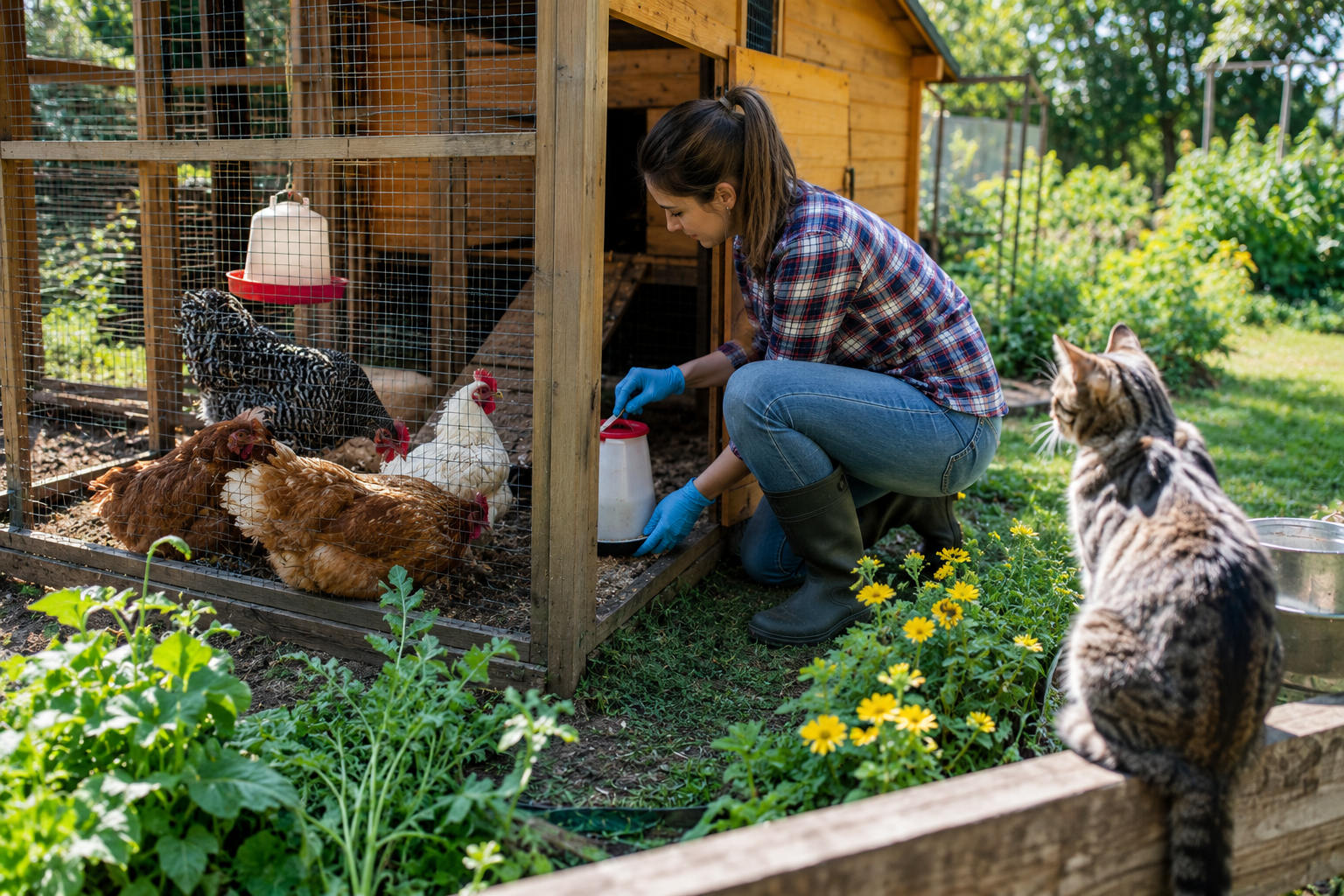
Bird flu has become an important topic for poultry owners, veterinarians, and pet lovers around the world. Although avian influenza mainly affects birds, some strains can also infect other animals under certain conditions. For people who keep backyard chickens or spend time around wild birds, understanding Bird Flu Prevention is one of the best ways to reduce potential risks.
Good prevention starts with simple habits. Clean housing, proper hygiene, limiting contact between domestic and wild birds, and paying attention to unusual symptoms can make a significant difference. While most pet owners may never encounter bird flu directly, knowing how the disease spreads helps everyone make informed decisions.
This guide explains practical Bird Flu Prevention strategies, signs to watch for, and simple ways to help keep backyard poultry and household pets safe.
Why Bird Flu Prevention Matters
Bird flu, also called avian influenza, is caused by influenza viruses that naturally circulate among wild birds. Some strains cause only mild illness, while others can spread rapidly among poultry.
When outbreaks occur, they may affect:
- Backyard chickens
- Ducks
- Turkeys
- Geese
- Commercial poultry farms
- Some wild bird populations
In rare situations, other animals may become infected after close contact with infected birds or contaminated environments.
Taking Bird Flu Prevention seriously helps reduce disease spread and protects animal welfare.
How Bird Flu Can Spread
Bird flu viruses often move through direct or indirect contact.
Possible transmission routes include:
- Contact with infected birds
- Contaminated feathers
- Bird droppings
- Feed or water exposed to wild birds
- Equipment that has not been properly cleaned
- Shoes and clothing used around infected areas
Understanding these pathways makes prevention much easier.
Keep Backyard Chickens Safe
If you keep chickens at home, good management practices are extremely important.
Some simple protective steps include:
- Keep feed covered.
- Provide clean drinking water.
- Remove spilled feed that may attract wild birds.
- Clean housing regularly.
- Limit unnecessary visitors to poultry areas.
Healthy housing reduces opportunities for disease transmission.
Reduce Contact With Wild Birds
Wild birds can carry avian influenza viruses without always appearing sick.
Consider these precautions:
- Cover outdoor feeders when possible.
- Prevent standing water that attracts wild birds.
- Install fencing or netting where practical.
- Keep poultry housing secure overnight.
Reducing interaction between domestic and wild birds strengthens Bird Flu Prevention.
Watch for Warning Signs
Early recognition is important.
Possible signs of illness in birds may include:
- Reduced appetite
- Lower egg production
- Swelling around the head
- Difficulty breathing
- Lack of energy
- Balance problems
- Sudden deaths within a flock
Not every illness is bird flu, but unusual symptoms should never be ignored.
If multiple birds become sick unexpectedly, contact your local veterinarian or animal health authority for guidance.
Protect Cats and Dogs
Most household pets live healthy lives without ever encountering bird flu.
However, preventing unnecessary exposure remains sensible.
Pet owners should:
- Prevent pets from scavenging dead birds.
- Supervise outdoor animals when possible.
- Avoid feeding raw wild bird meat.
- Contact a veterinarian if a pet develops unusual illness after contact with wildlife.
Keeping pets away from sick or dead birds supports effective Bird Flu Prevention.
Practice Good Hygiene
Personal hygiene protects both animals and people.
Whenever you work around poultry:
- Wash hands thoroughly.
- Wear dedicated footwear.
- Clean equipment regularly.
- Disinfect frequently touched surfaces.
- Change clothing after handling sick birds if advised.
These simple habits reduce the chance of carrying germs between locations.
Strengthen Farm Biosecurity
Whether you own a large poultry farm or a small backyard flock, biosecurity matters.
Important biosecurity practices include:
- Restricting unnecessary visitors.
- Quarantining newly purchased birds.
- Cleaning transport cages.
- Separating different bird species when possible.
- Monitoring flock health daily.
Good biosecurity is one of the strongest forms of Bird Flu Prevention.
Support Healthy Birds
Healthy birds generally cope better with many common diseases.
Support overall health by providing:
- Fresh water every day
- Balanced nutrition
- Clean bedding
- Adequate ventilation
- Protection from overcrowding
Routine veterinary advice can also help maintain flock health.
What To Do if You Suspect Bird Flu
Remain calm.
Do not move sick birds unnecessarily.
Limit contact with the affected area.
Record any unusual symptoms or sudden deaths.
Contact your local veterinarian or the appropriate animal health authority for advice on the next steps.
Following official guidance helps protect neighboring flocks and wildlife.
Common Myths About Bird Flu
Myth: Every Wild Bird Has Bird Flu
False.
Most wild birds do not carry avian influenza, and many species never become infected.
Myth: Indoor Pets Face the Same Risk
Indoor pets generally have far fewer opportunities for exposure than animals that regularly roam outdoors.
Myth: Bird Flu Always Spreads to Humans
Human infections remain uncommon and usually involve specific exposure circumstances.
Following public health recommendations further reduces risk.
Everyday Bird Flu Prevention Tips
You can strengthen Bird Flu Prevention by following these habits:
- Observe your birds daily.
- Keep housing clean.
- Limit contact with wild birds.
- Store feed securely.
- Practice good hygiene.
- Seek veterinary advice for unexplained illness.
- Stay informed through official animal health updates.
Small daily actions often provide the greatest protection.
Final Thoughts
Bird Flu Prevention begins with awareness, good hygiene, and responsible animal care. Backyard poultry owners, farmers, and pet owners all play an important role in reducing disease risks by maintaining clean environments and monitoring animal health regularly.
While bird flu outbreaks can raise understandable concern, practical preventive measures remain highly effective. By combining strong biosecurity, healthy management practices, and prompt veterinary advice whenever unusual illness appears, you can help protect your birds, your pets, and the wider community.
Read Other Interesting news here: Best Foods for Kidney Health
